Skip to content
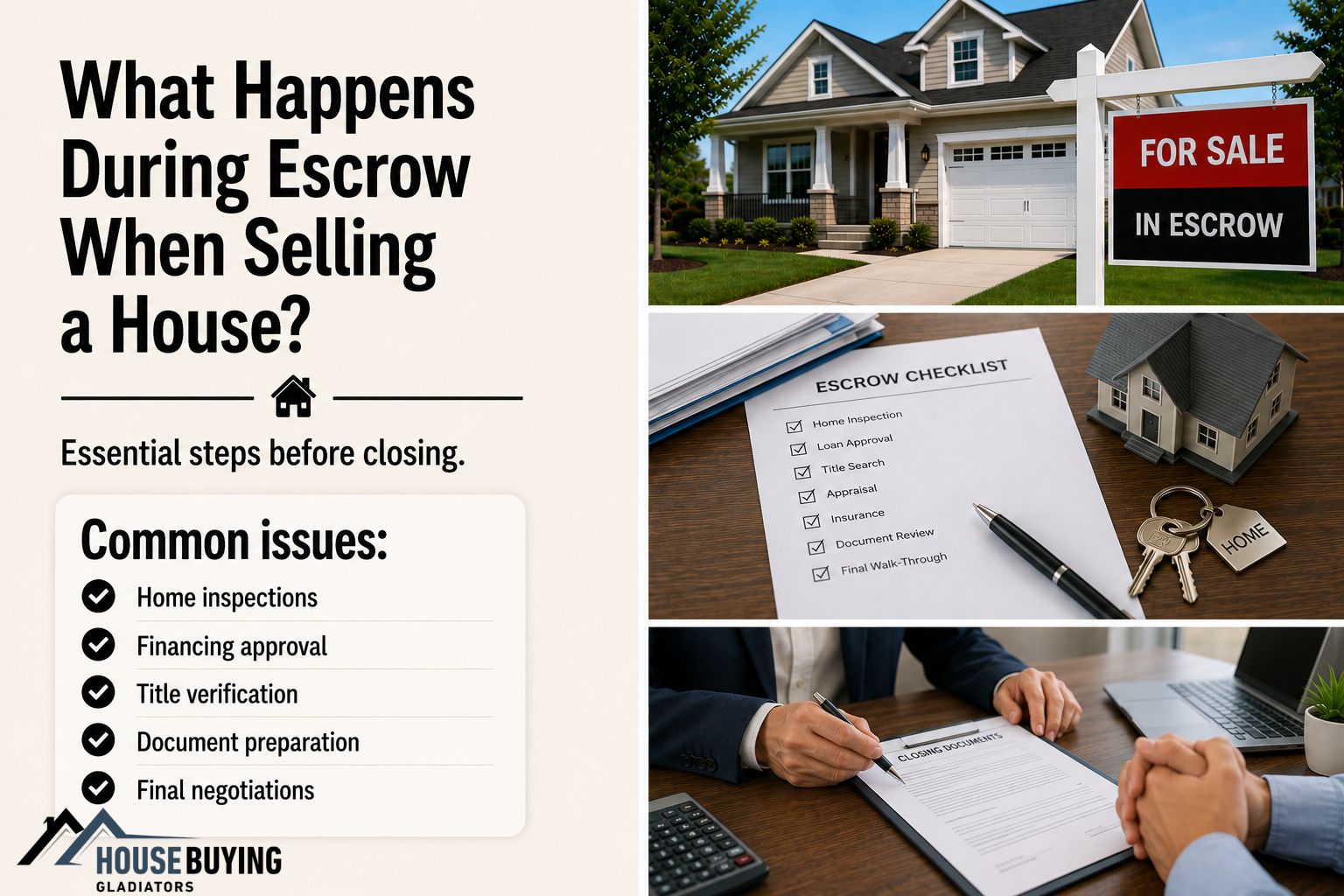
If you are wondering what happens during escrow when selling a house, the short answer is that escrow is the period where every major requirement must be completed before ownership officially transfers to the buyer.
Accepting an offer does not mean the sale is finished. In many ways, escrow is where the most important work begins.
During this stage, inspections, financing approvals, title verification, document preparation, and final negotiations take place to move the transaction toward closing.
Understanding the escrow process can help sellers anticipate delays, stay organized, and keep the sale moving forward with fewer surprises.
This guide explains what happens during escrow when selling a house, who manages the process, and what homeowners should expect before closing.
Escrow Timeline & Net Proceeds Calculator
Escrow Timeline & Net Proceeds Calculator
Why Is Escrow Important When Selling A House?
Escrow is important because it creates a secure process that protects both buyers and sellers while the transaction moves toward closing.
Instead of transferring ownership immediately after accepting an offer, escrow gives everyone time to complete inspections, finalize financing, verify ownership records, and satisfy the terms of the purchase agreement.
Without escrow, the risk of delays, financial disputes, and incomplete transactions would increase significantly.
Offer Accepted ➔ Escrow Opens ➔ Requirements Completed ➔ Closing ➔ Ownership Transfers
| Escrow Responsibility | Why It Matters |
|---|---|
| Holds important funds | Protects both parties |
| Coordinates documents | Keeps the transaction organized |
| Tracks deadlines | Reduces delays |
| Verifies requirements | Helps prevent closing issues |
Think of escrow as the transaction management stage that keeps every moving part organized before ownership officially changes hands.
If you are preparing for title verification, what is title insurance when selling a house explains how ownership issues are identified before closing.
Who Manages Escrow When Selling A House?
An escrow officer, title company, escrow company, or real estate attorney usually manages escrow, depending on your state and local closing practices.
Their role is to act as a neutral third party that coordinates documents, tracks deadlines, manages funds, and ensures both sides satisfy the purchase agreement before closing.
Escrow Opens ➔ Documents Verified ➔ Requirements Completed ➔ Closing Prepared
| Escrow Professional | Primary Responsibility |
|---|---|
| Escrow officer | Coordinates the transaction |
| Title company | Verifies ownership records |
| Escrow company | Manages funds and documents |
| Real estate attorney | Oversees legal requirements in some states |
The escrow team does not represent only the buyer or seller. Their job is to keep the transaction organized, reduce delays, and help move the sale toward a successful closing.
If you are preparing for the final stage, what happens at closing when selling a house explains what homeowners can expect once escrow is complete.
What Happens During Escrow When Selling A House?
During escrow, buyers, sellers, lenders, and title professionals complete the final requirements needed to transfer ownership and close the sale.
This stage focuses on verifying information, satisfying contract terms, and preparing all parties for closing.
Every completed step reduces uncertainty and moves the transaction closer to the finish line.
Escrow Opens ➔ Inspections Completed ➔ Financing Approved ➔ Title Cleared ➔ Closing Prepared
| Escrow Step | What Happens |
|---|---|
| Home inspection | Buyers evaluate the property’s condition |
| Financing approval | Lenders finalize the mortgage |
| Title review | Ownership records are verified |
| Document preparation | Closing paperwork is completed |
| Final review | Both parties prepare to close |
Escrow is often the most active stage of the transaction because several parties work simultaneously to satisfy the purchase agreement and avoid closing delays. Reviewing how the escrow process works and what it requires can help sellers anticipate each stage, prepare the necessary documents, and move more confidently toward closing.
If unexpected expenses become part of the process, what costs are tax deductible when selling a house explains which selling costs may affect your overall financial outcome.
What Can Delay Escrow When Selling A House?
Escrow delays occur when buyers, sellers, lenders, or title professionals do not complete financing, inspections, title work, appraisals, or required paperwork before closing.
Most homeowners can prevent these delays by identifying potential obstacles early and responding quickly to requests.
Taking action early helps keep your closing timeline on schedule.
Issue Identified ➔ Problem Resolved ➔ Escrow Continues ➔ Closing Moves Forward
| Common Delay | Why It Happens |
|---|---|
| Financing issues | Lender approvals take longer than expected |
| Title problems | Ownership discrepancies or liens appear |
| Inspection concerns | Repairs or negotiations create delays |
| Missing documents | Required paperwork is incomplete |
| Appraisal issues | The home’s value differs from the agreed price |
Many escrow delays happen because small problems go unnoticed until the final stages of the transaction. Reviewing common buyer-related closing delays can help sellers anticipate potential setbacks, respond more quickly to requests, and keep the transaction on schedule.
If you still have an active loan, can you sell a house with an existing mortgage explains how mortgage payoffs and lender requirements can affect your closing timeline.
How Long Does It Take When Selling A House?
Most escrow periods last between 30 and 60 days, but the exact timeline depends on financing approvals, inspections, title work, appraisals, and how quickly both parties complete their requirements.
Cash sales often close much faster because they eliminate lender-related delays.
Escrow Opens ➔ Requirements Completed ➔ Closing Scheduled ➔ Ownership Transfers
| Sale Type | Typical Timeline |
|---|---|
| Cash sale | 7 to 21 days |
| Traditional financed sale | 30 to 60+ days |
| Complex transactions | May take longer |
Do not compare your transaction to someone else’s. Every home sale moves at a different pace based on the property’s condition, buyer financing, and closing requirements.
If you are trying to understand the full timeline, how long does it take to sell a house explains each stage from listing to closing.
How Can Sellers Avoid Escrow Delays When Selling A House?
Sellers can avoid escrow delays by preparing documents early, responding quickly to requests, and resolving title, financing, or property issues before they affect closing.
Most delays happen because homeowners discover problems too late in the transaction.
Being proactive can help keep your sale on schedule and reduce unnecessary stress.
Prepare Early ➔ Respond Quickly ➔ Resolve Issues ➔ Keep Escrow Moving ➔ Close Successfully
| Action | Why It Helps |
|---|---|
| Organize documents | Prevents paperwork delays |
| Resolve title issues | Reduces ownership complications |
| Respond quickly | Keeps deadlines on track |
| Review mortgage payoff amounts | Avoids financial surprises |
| Communicate with all parties | Prevents unnecessary setbacks |
Do not wait for problems to appear. Small issues can quickly become larger delays if they are ignored during escrow.
If you are preparing your paperwork, what documents do I need to sell my house explains which records homeowners should gather before listing their property.
FAQs: What Happens During Escrow When Selling A House?
Escrow is the period between accepting an offer and closing the sale. During this stage, inspections, financing approvals, title work, and document preparation take place before ownership officially transfers.
Most escrow periods last 30 to 60 days, although cash sales often close faster. Financing approvals, inspections, appraisals, and title work can all affect the timeline.
An escrow officer, title company, escrow company, or real estate attorney usually manages the process, depending on state laws and local closing practices.
Financing issues, title problems, appraisal gaps, inspection negotiations, and missing paperwork are among the most common reasons escrow takes longer than expected.
Sometimes. Buyers may legally cancel the transaction if a valid contingency in the purchase agreement allows them to do so.
Yes. Unpaid liens, ownership disputes, recording errors, and other title problems can postpone closing until they are resolved.
Often, yes. Preparing documents early, responding quickly to requests, and resolving issues before closing can help reduce delays.
The transaction may still close successfully, but both parties may need to extend deadlines while outstanding requirements are completed.
Once all conditions are satisfied, both parties sign the final documents, funds are transferred, and ownership officially changes hands.
Stay organized, communicate quickly, and address title, financing, and paperwork issues as early as possible.
Conclusion: What Should Sellers Know About Escrow Before Closing?
Escrow is the stage where an accepted offer becomes a completed home sale. Every inspection, financing approval, title review, and signed document brings you one step closer to closing.
The key to a successful escrow is preparation. Sellers who stay organized, respond quickly, and resolve issues early are more likely to avoid delays and keep the transaction on schedule.
Offer Accepted ➔ Escrow Opens ➔ Requirements Completed ➔ Closing ➔ Ownership Transfers
Do not think of escrow as a waiting period. Think of it as the final coordination stage that ensures every requirement is completed before ownership changes hands.
Ready to move forward? Use this guide to navigate escrow with confidence and keep your home sale on track from contract to closing.