Skip to content
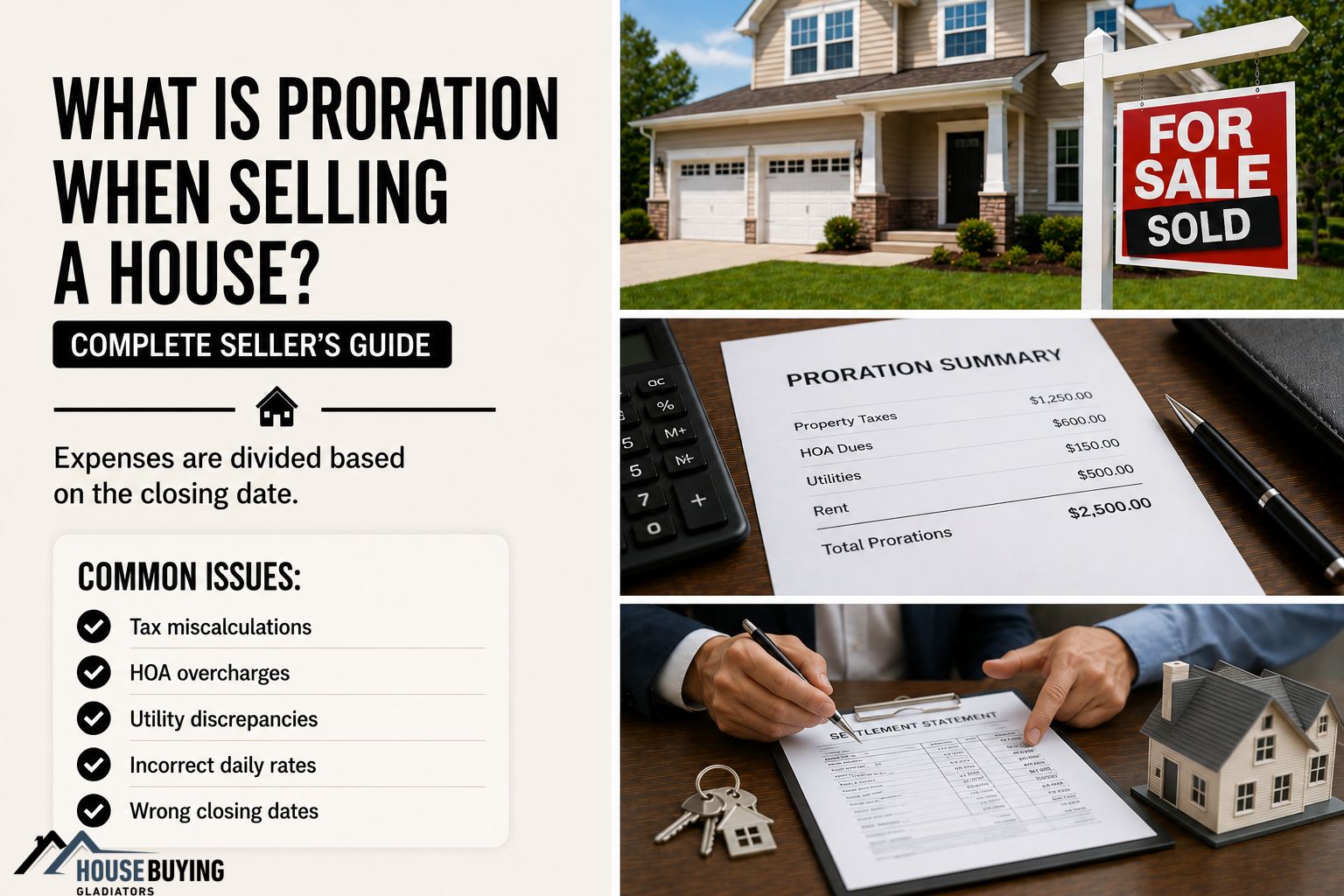
Not every expense belongs entirely to the buyer or the seller on closing day. If you’re wondering what is proration when selling a house, it’s the process of dividing shared property expenses based on the date ownership transfers. Proration ensures each party pays only the portion they owned or used the property.
Rather than charging one party for an entire tax bill or HOA payment, closing professionals calculate each person’s share of eligible expenses. Common prorated items include property taxes, homeowners association dues, utilities, rent, and other recurring costs that span the closing date.
Proration helps create a fair financial settlement by allocating expenses according to the ownership period. Buyers, sellers, title companies, lenders, and closing attorneys rely on these calculations to prepare accurate closing documents and determine the seller’s final proceeds.
In this guide, you’ll learn how proration works when selling a house, which expenses buyers and sellers typically divide at closing, how closing professionals calculate those adjustments, and how they affect your closing costs and final proceeds.
Real Estate Proration & Equity Estimator
Real Estate Proration & Equity Estimator
Estimate your closing day credits or debits for property taxes (billed in arrears) and HOA dues (prepaid in advance).
Calculation Note: Property taxes assume a standard 365-day arrears schedule. HOA fees assume a 30-day prepaid cycle. A positive net figure increases your walk-away proceeds; a negative figure reduces them.
Why Does Proration Matter When Selling A House?
Proration matters because it ensures buyers and sellers each pay only their fair share of recurring property expenses through the closing date. It creates a balanced financial settlement and prevents either party from paying more than they owe.
Closing day doesn't reset every bill.
It divides shared expenses fairly between the buyer and the seller.
Why Proration Benefits Both Parties
| Benefit | Why It Matters |
|---|---|
| Fair cost allocation | Each party pays only for the period they owned the property |
| Accurate closing figures | Reduces billing and calculation errors |
| Balanced settlement | Prevents one party from paying another's expenses |
| Smoother closing | Helps avoid last-minute financial disputes |
Proration keeps the financial side of the transaction accurate. By allocating expenses fairly, it helps buyers and sellers complete the sale with greater confidence and fewer closing surprises.
If you're reviewing how these adjustments appear before closing, what is a settlement statement when selling a house explains where prorated expenses appear in the final financial summary.
What Expenses Are Prorated When Selling A House?
Property taxes are the most common prorated expense when selling a house, but the closing statement may also include homeowners association (HOA) dues, rent, utilities, insurance premiums, and other recurring property costs, depending on local practices and the terms of the purchase agreement.
Not every expense appears on every closing statement. Reviewing common prorated expenses at closing can help sellers understand which costs are typically divided between buyers and sellers.
Common Prorated Expenses
| Expense | Why It's Prorated |
|---|---|
| Property taxes | Divides tax responsibility based on the closing date |
| HOA dues | Allocates association fees between both parties |
| Rent | Splits rental income for income-producing properties |
| Utilities | Adjusts prepaid or shared utility costs when applicable |
| Insurance premiums | May require adjustments if prepaid amounts apply |
Prorating these expenses helps ensure the buyer and seller each pay only for the period they own the property. The title company or closing attorney applies these adjustments when preparing the final settlement.
If you're wondering how these adjustments affect the amount you receive at closing, what is net proceeds when selling a house explains how prorations, mortgage payoffs, and closing costs determine your final payout.
Who Pays Prorated Expenses When Selling A House?
Buyers and sellers both pay prorated expenses based on the closing date. Sellers typically pay for the period they owned the property, while buyers become responsible for eligible expenses from the day ownership transfers.
Proration isn't an extra closing cost it simply divides shared expenses fairly between both parties. Reviewing how prorated closing costs are divided can help sellers understand how these adjustments are calculated at closing.
How Proration Usually Works
| Expense | Seller Pays | Buyer Pays |
|---|---|---|
| Property taxes | Ownership period before closing | Ownership period after closing |
| HOA dues | Time before closing | Time after closing |
| Rent (investment property) | Income earned before closing | Income earned after closing |
| Utilities (when applicable) | Usage before closing | Usage after closing |
The title company or closing attorney calculates these adjustments using the agreed closing date and records them on the settlement documents. This process helps ensure neither party pays for expenses that belong to the other.
If you're comparing prorations with other closing expenses, what costs do sellers pay at closing explains which fees sellers typically pay before the transaction is completed.
How Do Prorations Appear On Closing Documents?
Prorated expenses appear as credits and debits on the settlement statement or Closing Disclosure. Depending on the expense and the closing date, the buyer may receive a credit, the seller may receive a credit, or one party may owe the other an adjustment.
Proration doesn't create a new expense.
It adjusts an existing one so each party pays only its fair share.
How Prorations Affect The Final Settlement
| Financial Adjustment | Typical Effect |
|---|---|
| Seller credit | Increases the seller's amount due when appropriate |
| Seller debit | Reduces the seller's final proceeds |
| Buyer credit | Reduces the buyer's cash needed at closing |
| Buyer debit | Increases the buyer's share of eligible expenses |
Rather than calculating these adjustments manually, the title company or closing attorney applies the agreed prorations and records them on the final closing documents. Reviewing these entries before signing helps confirm that the financial adjustments accurately reflect the terms of the sale.
If you're reviewing the document that summarizes these adjustments, what is a Closing Disclosure when selling a house explains how credits, debits, closing costs, and seller proceeds appear before closing.
What Should Sellers Review Before Closing To Verify Prorations?
Before closing, sellers should review every prorated expense on the settlement statement or Closing Disclosure to confirm the adjustments match the purchase agreement and the scheduled closing date. Checking these figures early helps prevent billing errors and unexpected deductions.
Small adjustments can affect your final proceeds.
Reviewing them before signing gives you time to ask questions and correct mistakes before the closing team finalizes the transaction.
Proration Review Checklist
| Review Item | Why It Matters |
|---|---|
| Property tax adjustments | Confirms taxes are divided correctly |
| HOA dues | Verifies association fees reflect the ownership period |
| Utility adjustments | Ensures shared costs are allocated accurately, when applicable |
| Rent prorations | Confirms rental income is divided correctly for investment properties |
| Final seller proceeds | Verifies all prorated adjustments are reflected accurately |
Reviewing prorations before closing helps ensure the financial adjustments match the agreed terms of the sale. Confirming these figures early also gives the title company time to correct any discrepancies before distributing the closing funds.
If you're confirming that the prorations match your original terms, what is a purchase agreement when selling a house explains how the contract establishes the financial responsibilities reflected at closing.
FAQs: What Is Proration When Selling A House?
Proration is the process of dividing recurring property expenses between the buyer and seller based on the closing date, ensuring each party pays only its share of eligible costs.
Property taxes are the most common prorated expense. Depending on the transaction, HOA dues, rent, utilities, insurance premiums, and similar recurring costs may also require prorated adjustments.
Sellers typically pay property taxes for the period they owned the home before closing, while buyers become responsible for taxes from the ownership transfer date.
Closing professionals calculate prorations by dividing eligible expenses according to the ownership period and the agreed closing date, then recording the adjustments on the closing documents.
Not always. Whether prorations apply depends on the property's recurring expenses, local closing practices, and the terms outlined in the purchase agreement.
Yes. Prorated expenses may increase or reduce your final proceeds because the closing team adjusts shared costs before calculating the amount you receive at settlement.
Prorated expenses usually appear as credits or debits on the settlement statement or Closing Disclosure, showing how the closing team allocated shared expenses between both parties.
Report the error to the title company or closing attorney immediately. Correcting inaccurate prorations before closing helps prevent financial disputes and delays in distributing funds.
Yes. Many home sales prorate HOA dues based on the closing date, allowing buyers and sellers to pay only for the period each owned the property.
Proration creates a fair financial settlement by allocating shared property expenses accurately, reducing disputes, and helping buyers and sellers complete the transaction with confidence.
Conclusion: What Is Proration When Selling A House?
Proration helps buyers and sellers divide recurring property expenses fairly when ownership changes hands. By allocating costs such as property taxes, HOA dues, rent, and other eligible expenses according to the closing date, it ensures neither party pays more than their fair share.
Determine Shared Expenses ➜ Calculate Prorations ➜ Review Closing Documents ➜ Close With Confidence
Understanding how prorations work makes it easier to review your settlement statement, verify your final proceeds, and identify unexpected adjustments before closing. Taking a few minutes to confirm these calculations can help prevent financial surprises and support a smoother real estate transaction.