Skip to content
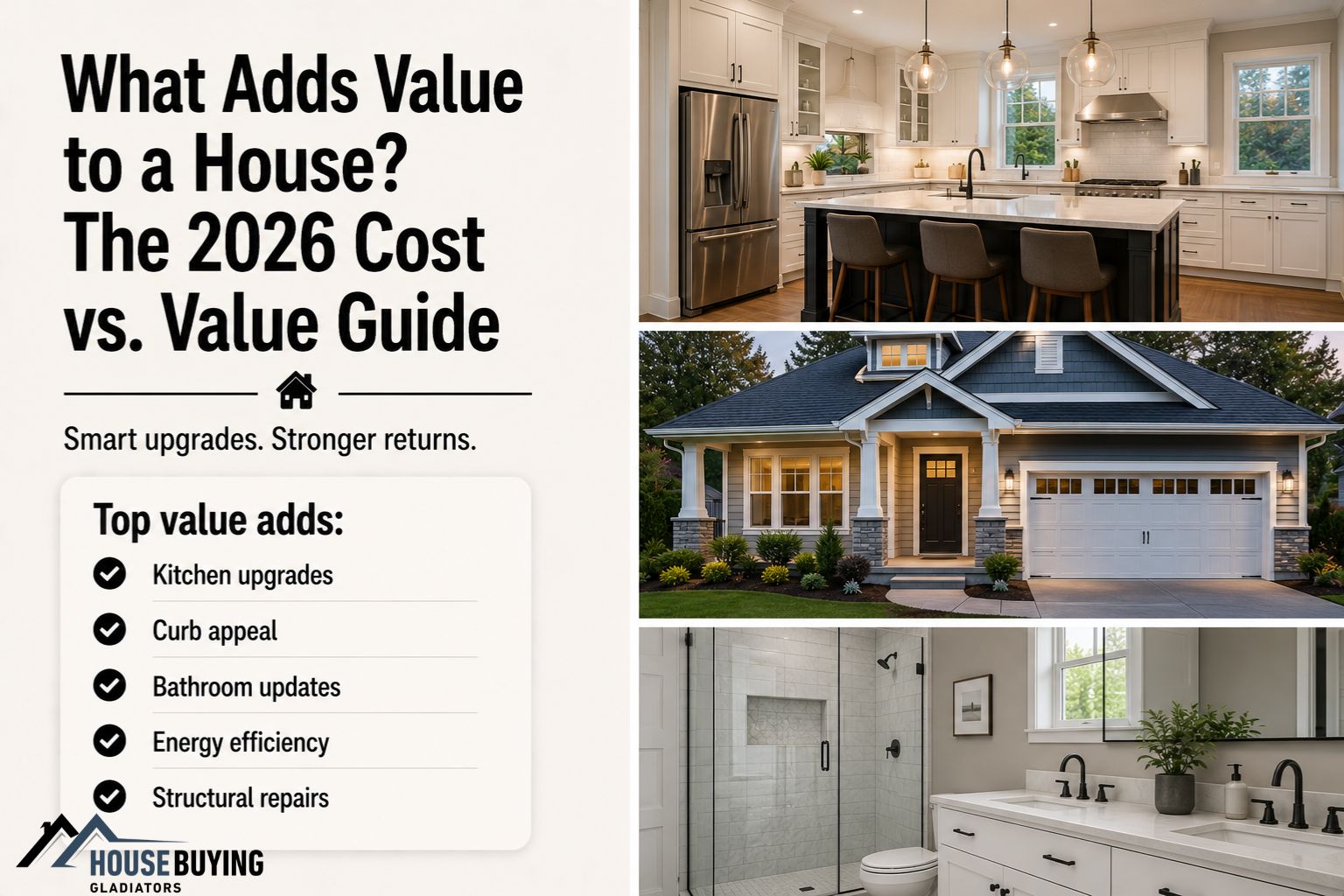
If you are wondering what adds value to a house, the short answer is that buyers pay a premium for properties that drastically reduce risk, lower the total cost of ownership, optimize existing square footage, and require zero immediate capital repairs after closing.
When planning to sell, every homeowner asks themselves what adds value to a house before committing to a major renovation contract. Many assume that high-dollar, luxury upgrades automatically translate to a higher sales price. However, data from the National Association of Realtors details similar consumer satisfaction trends in their latest NAR Remodeling Impact Report revealing a completely different reality: high-yield exterior replacements and functional structural repairs consistently outperform discretionary interior remodels at resale.
To maximize equity, you must look past fleeting design trends and understand how appraisers, underwriting algorithms, and buyers mathematically evaluate your property.
What Adds Value to a House the Most?
The home improvements that add the most net equity are those that enhance curb appeal, clear the home inspector’s red flags, and improve energy efficiency. In today’s market, buyers are hyper-focused on avoiding future out-of-pocket expenses and managing long-term carrying costs.
The 2026 Renovation Return on Investment (ROI) Leaderboard
Instead of guessing which projects yield the highest return, look at the data. According to the extensive data compiled in the annual Zonda Cost vs. Value Report, exterior replacements net the highest returns. The highest-performing home improvements are structural and exterior assets that protect the building envelope.
| Remodeling Project | Average National Cost | Expected Value Recouped | National ROI | Risk / Effort Level |
| Garage Door Replacement | $4,672 | $12,507 | 267.7% | Low |
| Steel Entry Door Replacement | $2,435 | $5,270 | 216.4% | Low |
| Manufactured Stone Veneer | $11,702 | $24,328 | 207.9% | Medium |
| Hardwood Floor Refinishing | Variable | Variable | 147.0% | Medium |
| Fiber-Cement Siding Replacement | $21,485 | $24,420 | 113.7% | High |
| Minor Kitchen Remodel (Midrange) | $28,458 | $32,141 | 112.9% | Medium |
| Major Kitchen Remodel (Upscale) | $150,000+ | Variable | 34.9% | High |
Seller Tip: Before making major financial commitments, check out our comprehensive real estate seller net sheet calculator to see how these raw percentages alter your specific financial outlook before listing.
Interior vs. Exterior: What Adds Value to a House Faster?
Data from the latest industry studies highlights that what adds value to a house isn’t always an expensive, deep interior gut job. Many of the highest-return improvements involve resolving existing liabilities rather than adding new aesthetic features. Appraisers and institutional mortgage lenders evaluate properties using a risk-first framework:
[Structural Improvement] ➔ [Lower Inspection Risk] ➔ [Guaranteed Loan Underwriting] ➔ [Increased Buyer Pool] ➔ [Higher Offer Velocity]
Foundation Repairs and Structural Stability
A damaged foundation destroys a property’s marketability. Most traditional lenders will refuse to underwrite conventional, FHA, or VA loans on properties with structural compromises. Resolving settlement cracks, bowing walls, or sagging subfloors instantly unlocks the largest pool of qualified buyers. Homeowners facing these issues should also understand how foundation problems affect property value and the options available when trying to sell a house with foundation problems.
Engineered Roof Replacement
A house with an aging, leaking, or uninsurable roof is dead on arrival in today’s market. Insurance companies are dropping old roofs at historic rates. Replacing an old roof eliminates buyer hesitation and removes the threat of failed closing escrow windows. For a strategic guide on assessing your building envelope before a sale, read our home seller pre-listing checklist.
Kitchen and Bathroom Improvements That Move the Needle
Kitchens and bathrooms still drive emotional sales, but over-customization acts as an equity anchor. The scale of your renovation dictates its financial success.
Why Minor Kitchen Updates Beat Major Luxury Remodels
A major luxury remodel ($150,000+) frequently recovers less than 40% of its cost because tastes are highly subjective. Conversely, a minor midrange kitchen update achieves a 112.9% ROI by focusing on practical, universally appealing adjustments:
- Refacing existing cabinet frames with clean shaker-style fronts.
- Installing neutral quartz or granite countertops.
- Upgrading to matching, energy-efficient stainless steel appliances.
High-Yield Bathroom Adjustments
Instead of completely relocating plumbing stacks which guts your budget keep the layout intact. Focus your money entirely on replacing dated vanities with clean, double-sink alternatives, swapping old fixtures for modern matte black or brushed nickel alternatives, and executing professional tile regrouting.
The “Invisible Value” Trend: Energy-Efficiency & Smart Tech
As monthly utility costs rise, the mechanical efficiency of a home has become a top marketing asset. Buyers use energy metrics to calculate their post-purchase affordability, and modern search engines actively reward content that addresses total cost of ownership (TCO).
HVAC Conversion and Heat Pump Electrification
Converting an aging gas furnace to a modern, high-efficiency electric heat pump system can recoup 66% to 72% of its installation cost at resale. Furthermore, these upgrades lower monthly bills, which serves as a powerful selling point in your property’s marketing description.
Maximizing Insulation and Energy Star Windows
Replacing single-pane windows with Energy Star-rated windows drops household energy usage by an average of 12%. When combined with blown-in attic insulation, these improvements protect against temperature swings. To better understand how mechanical updates affect title processing and financing, see our deep dive on how to run a preliminary title search.
2026 Tax Incentives & Smart Infrastructure
Sellers can maximize their return by leveraging federal and regional tax credits (such as the Inflation Reduction Act provisions) to offset the installation costs of heat pumps, solar setups, and electrical upgrades. Additionally, modern buyers look for homes featuring native, hardwired smart ecosystems:
- Smart Electrical Panels: For optimized, app-based energy management.
- Smart Water Leak Detection Valves: Automated shut-offs that lower home insurance premiums.
- Integrated EV Charging Stations: Level 2 chargers are rapidly transition from luxury to standard neighborhood expectations. If you are trying to figure out how to finance these renovations, read our complete guide to home equity loans here.
Maximizing Broad Market Appeal Over Personalization
The most expensive real estate mistake is designing a house for yourself rather than for the market. Highly customized features alienate vast sections of potential buyers.
[Highly Customized Features] ➔ [Niche Buyer Pool] ➔ [Extended Days on Market] ➔ [Compulsory Price Cuts]
The Financial Traps of Swimming Pools and Specialty Rooms
Unless you live in a warm-climate region like Florida or California where backyard pools are a standard community baseline, adding an in-ground pool rarely yields a strong return. Many buyers view them as safety liabilities and expensive maintenance black holes. Similarly, converting bedrooms into permanent home theaters or highly specific hobby rooms lowers your home’s official appraisal room count. Curb appeal is highly subjective, so make sure to check out our top staging tips for selling a home to complement your physical upgrades.
Hyper-Local Zoning & Accessory Dwelling Units (ADUs)
If you want to add true market value through space, look at functional square footage rather than specialty rooms. With local zoning laws easing across the country, building a detached ADU or converting a baseline basement into an independent rental unit or multi-generational suite drastically increases a property’s appraised valuation. If you’re evaluating whether a project makes financial sense, it is important to understand how to determine home value and estimate the property’s potential value after improvements.
Project Strategy Framework: Cost, Effort, & Equity Impact
To help you visualize your pre-listing strategy, evaluate projects across three critical dimensions: financial return, implementation effort, and equity impact.
- High-ROI, Low-Effort Essentials: Garage door replacement, steel entry door replacement, professional deep cleaning, lawn maintenance, and neutral interior paint. These cosmetic yet structural touchpoints regularly return double or triple their small upfront costs at closing.
- High-Value Mechanicals: Heat pump electrification, smart infrastructure, and attic insulation. These lower the total cost of ownership and appeal to modern, tech-focused buyers.
- High-Risk Liabilities: Major upscale kitchen renovations, swimming pools, and converting garages into bedrooms. These over-personalize the home, lower the available buyer pool, and rarely recoup their upfront installation costs.
Renovate Before Selling or Sell As-Is?
Deciding whether to fund pre-listing renovations or list your home “as-is” requires analyzing your liquid capital reserves and local inventory velocity.
- When to Renovate: If your local housing market features tight inventory and buyers are paying premium prices for turnkey homes, executing minor kitchen refreshes, fresh neutral interior paint, and basic exterior updates will prevent your property from lingering on the market.
- When to Sell As-Is: If the home requires severe foundation work, complete sewer line replacement, or whole-house electrical re-wiring, you are often better off offering a price credit or selling directly to cash buyers. To evaluate which path matches your current situation, explore our analysis comparing traditional listings vs. selling to a cash home buyer.
Frequently Asked Questions About What Adds Value to a House
According to current Cost vs. Value data, exterior replacement projects like new garage doors (267.7% ROI) and steel entry doors (216.4% ROI) add the most value relative to cost. Structural integrity and modernized infrastructure systems follow closely.
No. Major upscale kitchen remodels often recover less than 40% of their upfront cost. Minor updates that focus on hardware, countertops, and energy-efficient appliances yield significantly higher returns without over-personalizing the space.
Yes. A new roof boosts market value by eliminating a massive future expenditure for the buyer, making the property easier to insure, and ensuring it passes stringent mortgage underwriting inspections.
Often, yes. Modern energy-efficient HVAC units, insulation, and windows improve the property’s effective age and lower ownership costs, which appraisers look upon favorably compared to identical homes with outdated infrastructure.
Strategic landscaping and exterior power washing boost curb appeal, which can lift your home’s initial perceived market value by 5% to 10% and significantly accelerate showing activity.
Only if the current windows are visibly damaged, fogged, or leaking. While Energy Star windows improve efficiency, you will rarely recoup the full upfront installation costs purely through a higher sales price.
Rarely. Outside of warm-climate luxury markets, swimming pools yield low returns and can turn off buyers concerned about maintenance, insurance costs, and safety liabilities.
Minor, low-cost presentation updates yield the highest return. Basic professional deep cleaning, lawn maintenance, and neutral interior paint regularly return double or triple their small upfront costs at closing.
Usually no. Eliminating a functional garage hurts your home’s appeal with buyers who require secure parking and storage, and it can lower your property’s value if the neighborhood expects multi-car garages.
Conclusion
Ultimately, understanding what adds value to a house requires shifting your focus away from cosmetic luxury and prioritizing functionality, efficiency, and structural reliability. The projects that yield the strongest returns are those that make a home easy to finance, inexpensive to run, and stress-free to move into. By aligning your pre-listing budget with data-backed upgrades, you can confidently protect your hard-earned equity and position your property for a swift, profitable sale.