Skip to content
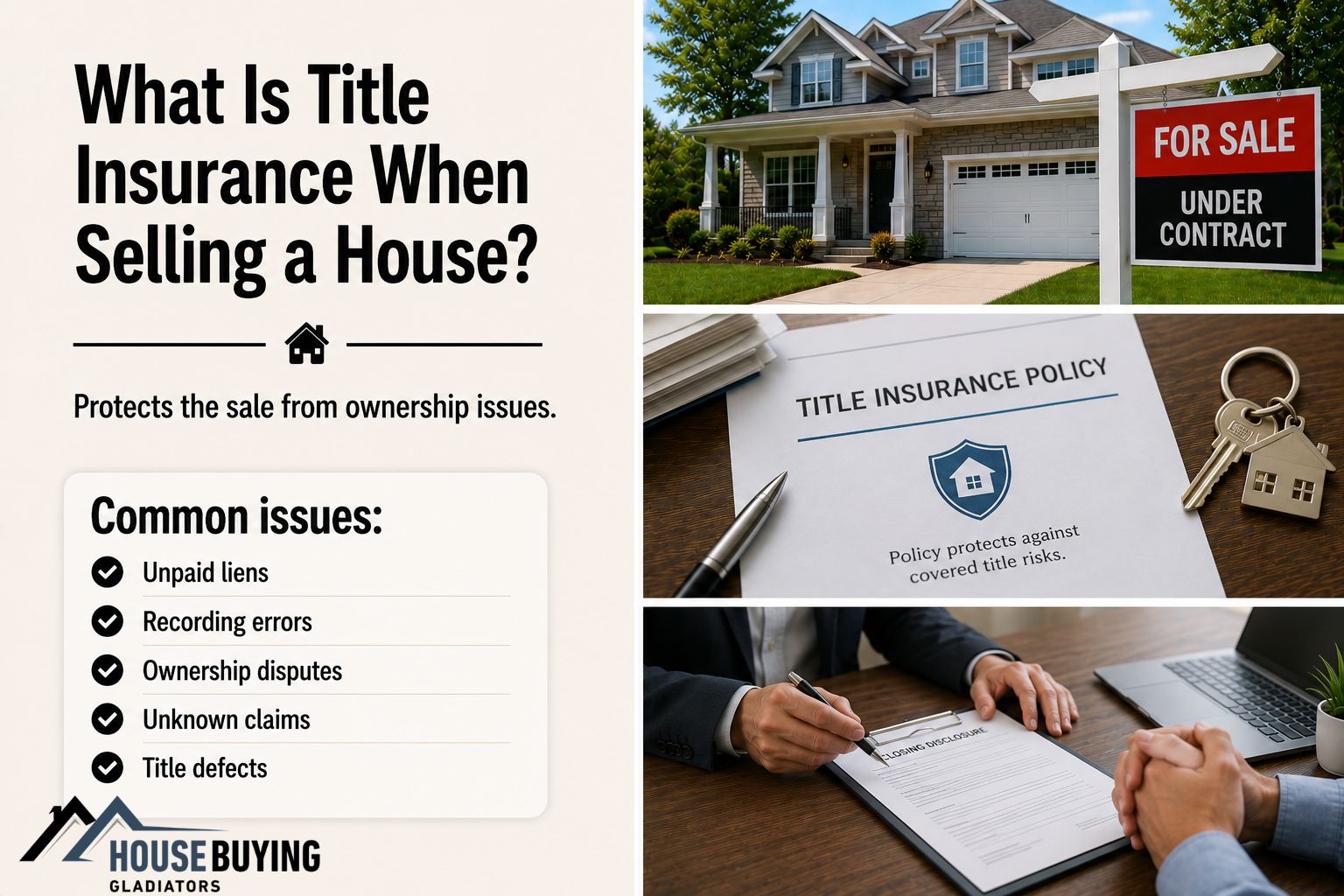
If you are wondering what title insurance is when selling a house, the short answer is that it helps protect the transaction from ownership issues that could delay or disrupt closing.
Many homeowners believe title insurance only benefits buyers and mortgage lenders.
In reality, it also helps sellers by identifying title problems before ownership transfers, making it easier to complete the sale without unexpected delays.
Unpaid liens, recording errors, ownership disputes, and unknown claims can interrupt a transaction if they are not resolved before closing.
Understanding how title insurance works can help sellers prepare for closing, reduce potential complications, and transfer ownership with greater confidence.
This guide explains what title insurance is when selling a house, why it matters, who typically pays for it, and how sellers can avoid common title issues before closing.
Title Insurance & Closing Fee Estimator
Title Insurance & Closing Fee Estimator
Why Does Title Insurance Matter Before Closing?
Title insurance is important because it helps identify ownership issues before closing, reducing the risk of delays, legal disputes, and unexpected problems that could interrupt the sale.
Before ownership transfers, the title company reviews public records to confirm the seller has clear title and can legally transfer the property to the buyer.
Resolving title issues early helps create a smoother, faster, and more predictable closing.
Property Under Contract ➔ Title Search ➔ Resolve Issues ➔ Clear Ownership ➔ Closing
| Potential Issue | Why It Matters |
|---|---|
| Unpaid liens | Can delay or prevent closing |
| Ownership disputes | Can challenge the seller’s legal ownership |
| Recording errors | Can create title defects |
| Unknown claims | Can interrupt the transfer of ownership |
Most title issues can be resolved before closing, but early action helps prevent costly delays and keeps the transaction moving forward. Reviewing how title insurance protects a real estate transaction can help sellers understand how title defects, liens, and ownership claims are identified and resolved before closing.
If you are preparing for the final stage of the sale, what happens during escrow when selling a house explains how title work fits into the overall closing process. final steps homeowners can expect.
Who Usually Pays For Title Insurance When Selling A House?
Who pays for title insurance when selling a house depends on local customs, state laws, and the terms negotiated in the purchase agreement.
In many real estate transactions, sellers pay for the owner’s title insurance policy, while buyers typically pay for the lender’s title insurance policy. However, either party can negotiate these costs during the sale.
Purchase Agreement ➔ Cost Negotiation ➔ Title Insurance Assigned ➔ Closing
| Policy | Who Often Pays |
|---|---|
| Owner’s title insurance | Seller (varies by location) |
| Lender’s title insurance | Buyer or lender requirement |
Do not assume you must pay every title-related expense. Reviewing who typically pays for title insurance premiums can help sellers understand how these costs are commonly negotiated and allocated based on local customs, state practices, and the purchase agreement.
If you are estimating your selling expenses, what costs are tax deductible when selling a house explains which closing costs may affect your overall financial outcome.
What Does Title Insurance Cover When Selling A House?
Title insurance covers ownership-related issues that could delay closing, challenge legal ownership, or interrupt the transfer of property after a sale.
While a title search identifies many problems before closing, some hidden issues may not appear until later. Title insurance helps protect buyers and lenders from unexpected claims that could affect ownership rights.
Title Search ➔ Identify Risks ➔ Resolve Issues ➔ Protect Ownership
| Potential Issue | Why It Matters |
|---|---|
| Unpaid liens | Can delay or prevent ownership transfer |
| Ownership disputes | Can challenge legal ownership rights |
| Recording errors | Can create title defects |
| Unknown heirs | Can file future ownership claims |
| Forged documents | Can invalidate ownership records |
Most title issues never become major problems because title professionals identify and resolve them before closing. Addressing these issues early helps keep the transaction on schedule and reduces the risk of last-minute delays.
If your sale has already reached the contract stage, what happens during escrow when selling a house explains how title work fits into the overall closing process.
Do Sellers Need Title Insurance When Selling A House?
Not always. Although title insurance primarily protects buyers and lenders, it also benefits sellers by helping identify and resolve title issues before closing.
A clear title reduces the risk of delays, ownership disputes, and last-minute complications that could interrupt the sale. Resolving these issues early helps create a smoother transaction and gives buyers greater confidence to complete the purchase.
Clear Title ➔ Fewer Delays ➔ Buyer Confidence ➔ Successful Closing
| Seller Benefit | Why It Matters |
|---|---|
| Clear ownership records | Reduces legal complications |
| Fewer closing delays | Keeps the transaction on schedule |
| Greater buyer confidence | Increases the likelihood of closing |
| Early issue resolution | Prevents last-minute surprises |
The goal is not simply to purchase title insurance. The goal is to confirm that the property has a clear title so ownership can transfer without unexpected obstacles or disputes.
If you are preparing your home for the market, what is fair market value of a home explains how accurate pricing can support a smoother transaction.
How Can Sellers Avoid Title Problems When Selling A House?
Sellers can avoid many title problems by verifying ownership records, resolving unpaid liens, organizing important documents, and addressing legal or financial issues before listing the property.
Most title delays occur because unresolved issues surface late in the transaction. Preparing early helps keep the title search, escrow process, and closing on schedule.
Prepare Documents ➔ Resolve Title Issues ➔ Complete Title Search ➔ Clear Ownership ➔ Close Successfully
| Action | Why It Helps |
|---|---|
| Verify ownership records | Prevents ownership disputes |
| Resolve unpaid liens | Reduces closing delays |
| Gather property documents | Speeds up the title review |
| Confirm mortgage payoff | Prevents payoff complications |
| Correct legal or recording errors | Creates a smoother closing |
Do not wait until closing to address title issues. Resolving ownership or documentation problems before listing can reduce delays, strengthen buyer confidence, and help the transaction move forward without unnecessary setbacks.
If you are preparing your home for sale, what documents do I need to sell my house explains which records homeowners should organize before listing their property.
FAQs: What Is Title Insurance When Selling A House?
Title insurance protects buyers and lenders from ownership-related issues that could affect legal ownership after closing. It helps identify and resolve title defects, unpaid liens, and other claims before or after the sale.
Title insurance helps uncover ownership issues before closing, reducing the risk of delays, legal disputes, and failed transactions. Resolving title problems early helps sellers transfer ownership more smoothly.
Not always. While title insurance primarily protects buyers and lenders, sellers benefit when title issues are discovered and resolved before closing, helping prevent delays and improving buyer confidence.
Who pays depends on local customs and the purchase agreement. In many markets, sellers pay for the owner’s title insurance policy, while buyers typically pay for the lender’s title insurance policy.
Title insurance can cover unpaid liens, ownership disputes, recording errors, forged documents, unknown heirs, and other title defects that may threaten legal ownership or delay closing.
Yes. Unpaid liens, ownership disputes, recording mistakes, and unresolved claims can delay closing until the parties resolve the issues and establish a clear title.
Not always. Mortgage lenders typically require a lender’s title insurance policy, while an owner’s policy is usually optional unless required by the purchase agreement or local practice.
Sometimes, but unresolved title issues often delay or complicate the sale. Clearing ownership problems before closing helps reduce risk and keeps the transaction moving forward.
Sellers can verify ownership records, resolve liens, organize property documents, and correct title errors before listing to reduce delays and improve the likelihood of a successful closing.
The title company investigates the issue, works with the appropriate parties to resolve it, and confirms a clear title before ownership transfers to the buyer whenever possible.
Conclusion: What Should Sellers Know About Title Insurance Before Closing?
Title insurance plays an important role in helping a home sale reach closing without unexpected ownership issues. By identifying title defects, unpaid liens, and legal claims early, sellers can reduce delays, strengthen buyer confidence, and support a smoother transfer of ownership.
The goal is not simply to purchase a title insurance policy. The goal is to confirm that the property has a clear title so the transaction can move forward with fewer obstacles and greater certainty.
Property Under Contract ➔ Title Search ➔ Resolve Title Issues ➔ Clear Ownership ➔ Successful Closing
Preparing early gives you more time to resolve title concerns before they affect your closing timeline. A clear title helps protect the transaction, keeps the sale on track, and makes the ownership transfer more efficient.
Ready to move forward? Use this guide to understand title insurance, address potential title issues early, and approach closing with greater confidence.