Skip to content
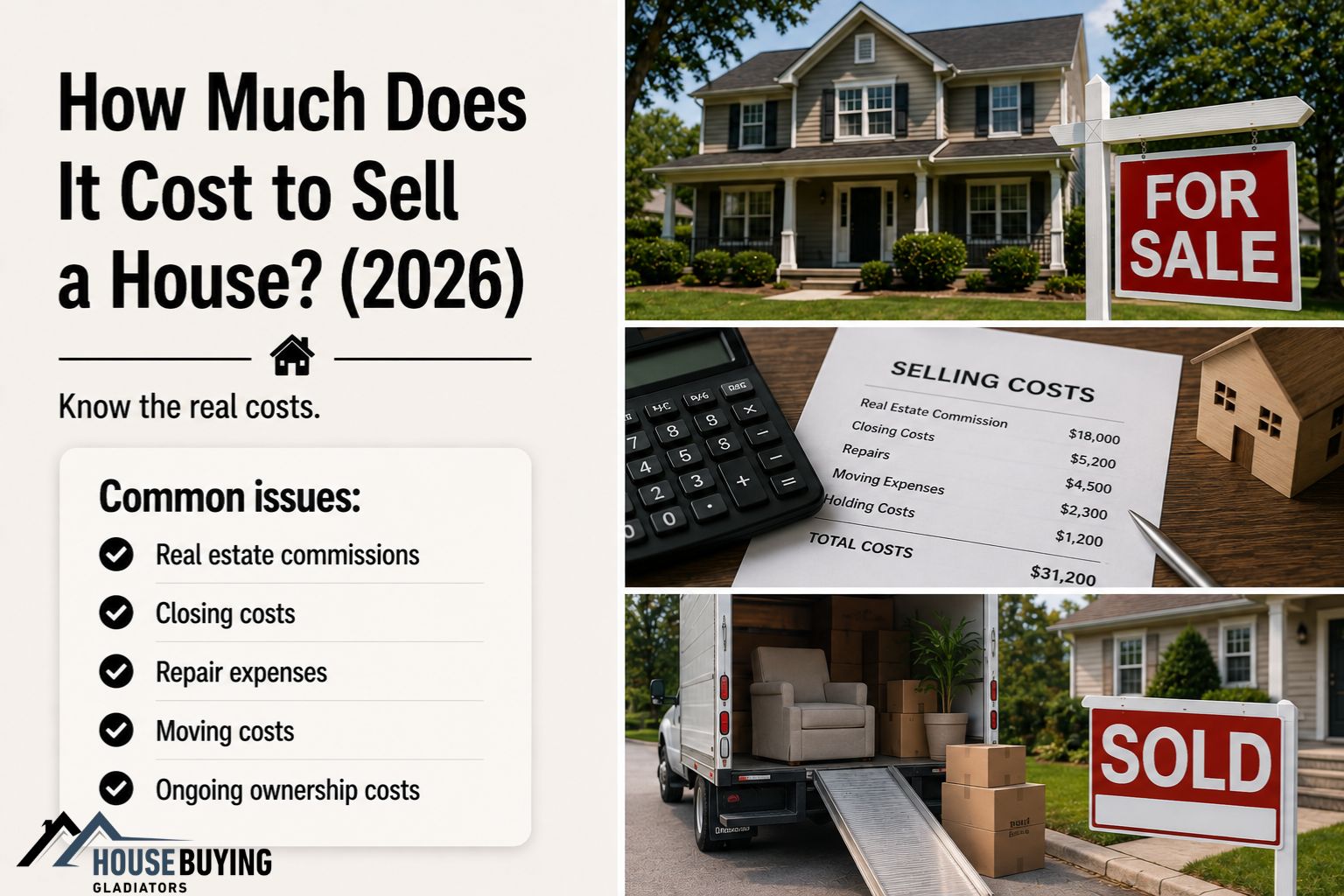
How much does it cost to sell a house? While every situation is different, many homeowners spend thousands of dollars on expenses such as real estate commissions, closing costs, repairs, moving expenses, and ongoing ownership costs before the transaction is complete.
Many sellers focus primarily on the property’s sale price.
However, the amount deposited into your bank account at closing is often much lower than the final purchase price.
Additionally, selling a house may involve expenses that homeowners do not initially anticipate.
For example, repair costs, title-related fees, moving expenses, inspection-related negotiations, and holding costs can all affect the overall financial outcome.
Meanwhile, the longer a property remains unsold, the more ownership expenses may continue accumulating.
As a result, understanding the full cost of selling a house can help you budget more accurately, avoid surprises, and make better decisions throughout the process.
Why Selling Costs Surprise Many Homeowners
Many homeowners underestimate the total cost of selling because several expenses occur behind the scenes.
The sale price often receives the most attention.
However, numerous smaller costs may accumulate throughout the process.
For example:
- Repairs may become necessary.
- Inspection issues may arise.
- Moving expenses may increase.
- Additional ownership costs may continue during the selling period.
Meanwhile, delays can extend the timeline and increase overall expenses.
As a result, the final amount received at closing may be lower than expected.
The Biggest Costs Homeowners Face When Selling
The largest costs associated with selling a house often include commissions, closing costs, repairs, property preparation expenses, moving costs, and ongoing ownership expenses.
Common examples include:
- Real estate commissions
- Closing costs
- Repair expenses
- Home preparation costs
- Moving expenses
- Mortgage-related expenses
- Holding costs
Consequently, evaluating both the expected sale price and the costs required to complete the transaction is essential when estimating your potential proceeds.
Why the Selling Method Matters
The method you choose can significantly affect how much it costs to sell a house.
For example, different selling approaches may involve different levels of:
- Commissions
- Marketing expenses
- Repair costs
- Preparation requirements
- Timeline-related expenses
Consequently, homeowners should evaluate both the costs and benefits of each option before making a decision.
Homeowners comparing selling options sometimes review companies such as Sundae, a marketplace that connects sellers of as-is and fixer-upper properties with investors, providing another point of comparison when evaluating costs, timelines, and selling strategies.
The Hidden Cost of Time
Many homeowners focus on direct selling expenses while overlooking the cost of holding the property.
Meanwhile, ownership expenses often continue regardless of whether the property has sold.
Common holding costs include:
- Mortgage payments
- Property taxes
- Insurance premiums
- Utility bills
- HOA fees
- Maintenance expenses
As a result, a longer selling timeline can sometimes increase the overall cost of the transaction.
Every Situation Is Different
The cost of selling a house depends on several factors.
For example:
- Property value
- Property condition
- Local market conditions
- Selling strategy
- Timeline requirements
- Repair needs
Therefore, two homeowners selling similar properties may experience very different costs and outcomes.
Understanding these variables can help you better estimate your potential expenses and prepare for the selling process.
Real Estate Commissions
Real estate commissions are often one of the largest costs homeowners encounter when selling a house.
In a traditional sale, commission fees are typically paid from the proceeds at closing.
Additionally, commission structures can vary depending on the agreement and services provided.
As a result, many homeowners consider commission costs when evaluating different selling methods.
Closing Costs
Closing costs are another common expense that can affect how much it costs to sell a house.
These costs may include:
- Title-related fees
- Escrow expenses
- Recording fees
- Transfer-related charges
- Administrative costs
Furthermore, closing costs can vary depending on the property’s location and transaction details.
Consequently, sellers should account for these expenses when estimating their net proceeds.
Repair Costs
Repair expenses can significantly influence the overall cost of selling, particularly when a property requires substantial updates or maintenance.
Common repair concerns include:
- Roof issues
- Plumbing problems
- Electrical concerns
- HVAC repairs
- Water damage
- Foundation issues
However, not every repair is worth completing before selling.
Therefore, homeowners should carefully evaluate whether the expected increase in value justifies the additional expense.
For more guidance, see our What Repairs Are Worth Making Before Selling a House? (2026) article.
Home Preparation Costs
Preparing a property for sale often involves expenses beyond major repairs.
For example, homeowners may invest in:
- Deep cleaning
- Landscaping
- Paint touch-ups
- Decluttering
- Minor cosmetic improvements
Although these costs are often smaller than major renovations, they can still affect the overall financial outcome.
Additionally, preparation expenses may vary depending on the property’s condition and market expectations.
Moving Expenses
Moving costs are frequently overlooked when homeowners estimate how much it costs to sell a house.
Common moving expenses may include:
- Packing supplies
- Moving services
- Storage costs
- Transportation expenses
- Temporary housing arrangements
Meanwhile, long-distance relocations can increase costs significantly.
As a result, moving expenses should be included when calculating the total cost of selling.
Mortgage-Related Expenses
Some homeowners may encounter mortgage-related costs when selling their property.
Depending on the situation, these expenses may include:
- Remaining loan balances
- Interest obligations
- Administrative fees
- Other lender-related charges
Consequently, reviewing mortgage details early can help homeowners better understand their financial position before listing the property.
Which Costs Are Usually the Highest?
While every transaction is different, commissions, repairs, and holding costs often represent the largest selling expenses.
However, the answer depends on factors such as:
- Property condition
- Market conditions
- Selling strategy
- Timeline requirements
For example, a homeowner who spends heavily on renovations may face different costs than someone who sells a property in its current condition.
Therefore, understanding your specific situation is essential when estimating total expenses.
Why Costs Vary So Much
Two homeowners selling similar houses may experience very different costs.
For example, one seller may:
- Complete extensive repairs
- Use professional staging
- Remain on the market for several months
Meanwhile, another seller may:
- Make minimal improvements
- Sell quickly
- Incur fewer holding costs
As a result, total selling expenses can vary significantly from one transaction to another.
The Importance of Calculating Net Proceeds
The sale price alone does not determine your financial outcome.
Instead, homeowners should focus on estimated net proceeds after expenses.
Consequently, evaluating all anticipated costs before listing can provide a clearer picture of what you may actually receive at closing.
Understanding this distinction often helps homeowners make more informed decisions throughout the selling process.
Hidden Costs of Selling a House
Many homeowners focus on obvious expenses such as commissions and repairs. However, several hidden costs can also affect the final amount received at closing.
These costs often include:
- Holding expenses
- Utility bills
- Property maintenance
- Cleaning costs
- Storage expenses
- Unexpected repair requests
Additionally, these expenses may continue accumulating while the property remains on the market.
As a result, sellers often underestimate the true cost of the transaction.
Holding Costs
Holding costs are the ongoing expenses associated with owning a property while waiting for it to sell.
Common holding costs include:
- Mortgage payments
- Property taxes
- Insurance premiums
- Utility bills
- HOA fees
- Maintenance expenses
Meanwhile, these costs continue regardless of whether showings are occurring or offers are being received.
Consequently, a longer selling timeline often increases the overall cost of selling a house.
Additionally, homeowners concerned about extended timelines may find our How Long Does It Take to Sell a House? (2026) guide helpful.
The Cost of Delays
Selling delays can become expensive because ownership expenses continue accumulating over time.
For example, delays may result from:
- Financing problems
- Inspection negotiations
- Appraisal issues
- Title concerns
- Repair requests
- Documentation problems
Additionally, market conditions may change while a property remains unsold.
As a result, reducing unnecessary delays often helps protect a homeowner’s bottom line.
Furthermore, understanding How to Sell a House Fast (2026) may help reduce unnecessary holding costs and transaction delays.
Capital Gains Considerations
Some homeowners may need to consider potential tax implications when selling a property.
The financial impact depends on several factors, including:
- Ownership history
- Property use
- Profit from the sale
- Applicable tax rules
Because every situation is different, homeowners often benefit from consulting qualified tax professionals regarding their specific circumstances.
Therefore, tax considerations should be evaluated before making major selling decisions.
How to Reduce Selling Costs
Homeowners can often reduce selling expenses by preparing early and avoiding unnecessary costs.
Practical strategies include:
- Organizing documents in advance
- Addressing obvious issues early
- Comparing selling options
- Evaluating repair ROI carefully
- Pricing realistically
- Reducing avoidable delays
Furthermore, early preparation often prevents costly surprises later in the process.
Consequently, planning ahead may improve both efficiency and financial outcomes.
Common Mistakes Homeowners Make
Focusing Only on Sale Price
Many sellers concentrate exclusively on the final purchase price.
However, the highest offer does not always produce the highest net proceeds.
Additionally, repair costs, commissions, and holding expenses can significantly affect the final outcome.
Overimproving the Property
Some homeowners invest heavily in renovations before selling.
However, buyers do not always pay enough extra to justify the cost of major upgrades.
Therefore, repair decisions should be based on expected return rather than assumptions.
Ignoring Holding Costs
Many sellers underestimate the impact of ongoing ownership expenses.
Meanwhile, mortgage payments, taxes, insurance premiums, and maintenance costs continue accumulating.
As a result, waiting for a slightly higher offer may not always be financially beneficial.
Delaying Important Decisions
Some homeowners postpone listing or delay negotiations while hoping conditions improve.
However, additional time often increases costs.
Consequently, delays can reduce overall profitability.
A Simple Cost Evaluation Framework
Before selling, ask yourself:
What expenses will I pay before closing?
How much will repairs cost?
How long might the property remain on the market?
What ownership expenses will continue during that time?
What amount will I likely receive after all costs are paid?
Answering these questions can provide a more realistic picture of your expected financial outcome.
Additionally, understanding net proceeds often helps homeowners compare selling options more effectively.
How Much Does It Cost to Sell a House After All Expenses?
Many homeowners ask:
“How much does it cost to sell a house?”
However, a more useful question is often:
“How much money will I actually receive after all expenses are paid?”
The answer depends on commissions, closing costs, repairs, holding expenses, and other transaction-related costs.
Therefore, evaluating total net proceeds rather than focusing solely on the sale price often leads to better financial decisions.
Frequently Asked Questions About Selling Costs
The total cost varies depending on the property’s value, condition, location, and selling method. Common expenses include commissions, closing costs, repairs, moving expenses, and holding costs.
For many homeowners, real estate commissions represent one of the largest selling expenses. However, repair costs and holding expenses can also become significant depending on the situation.
In many transactions, sellers are responsible for certain closing-related expenses. However, the exact costs depend on the transaction structure and local requirements.
Repair costs vary widely. Minor maintenance issues may be relatively inexpensive, while foundation, roofing, plumbing, or structural problems can significantly increase selling expenses.
Yes. Many homeowners sell properties in their current condition without completing repairs. Buyers often factor repair costs into their offers rather than requiring the seller to complete the work beforehand.
Yes. Mortgage payments, property taxes, insurance premiums, utilities, HOA fees, and maintenance expenses can continue accumulating while a property remains unsold.
Commonly overlooked expenses include moving costs, storage fees, utility bills, cleaning expenses, maintenance costs, and the financial impact of delays.
It can. Repair needs may reduce buyer demand, increase preparation costs, or lead to additional negotiations during the transaction.
Yes. Financing issues, inspection negotiations, appraisal concerns, title problems, and repair requests can extend timelines and increase overall expenses.
Rather than focusing solely on the sale price, homeowners should pay attention to estimated net proceeds after all expenses have been deducted.
Final Thoughts
Understanding how much does it cost to sell a house is about more than estimating commissions or closing costs.
Additionally, repair expenses, moving costs, holding costs, and unexpected delays can all affect the amount you ultimately receive from the sale.
Meanwhile, every homeowner’s situation is different.
Some properties require significant preparation before listing.
Others may involve inherited property, major repairs, financial challenges, or timeline pressures that affect selling decisions.
As a result, the total cost of selling can vary considerably from one transaction to another.
The good news is that many expenses can be anticipated and planned for in advance.
Therefore, evaluating potential costs early can help you budget more accurately, avoid surprises, and make more informed decisions throughout the selling process.
Ultimately, the most important number is not the sale price itself.
Instead, it is the amount you keep after all expenses have been paid.
Explore Your Options
If you’re trying to understand the financial impact of selling your property, gathering information early can provide valuable clarity.
There is no pressure to make an immediate decision.
However, understanding potential costs, repair considerations, holding expenses, and available selling options can help you move forward with greater confidence.
If you’d like to explore your options further, you can Get Your Cash Offer and compare potential outcomes without obligation.